Leading Benefits of Deciding On Light Weight Aluminum Factory Parts for Industrial Applications
Light weight aluminum factory parts existing several benefits for commercial applications. Their lightweight yet durable nature boosts efficiency in handling and setup. Furthermore, light weight aluminum's amazing deterioration resistance adds to its longevity, which is crucial for lowering upkeep prices with time. With its functional layout capacities and superb machinability, aluminum enables the development of personalized components. aluminum casting. These attributes make aluminum an engaging choice, however the conversation does not finish right here. There are a lot more benefits worth checking out
Strong yet lightweight: The Advantage of Aluminum
Aluminum, a metal renowned for its impressive strength-to-weight ratio, uses substantial benefits in commercial applications. Its light-weight nature makes it possible for makers to produce elements that are easier to manage, transport, and set up, eventually minimizing labor expenses and improving efficiency. This characteristic is especially helpful in industries such as aerospace and automotive, where weight decrease can lead to enhanced gas efficiency and efficiency.
Deterioration Resistance: A Key Benefit for Longevity
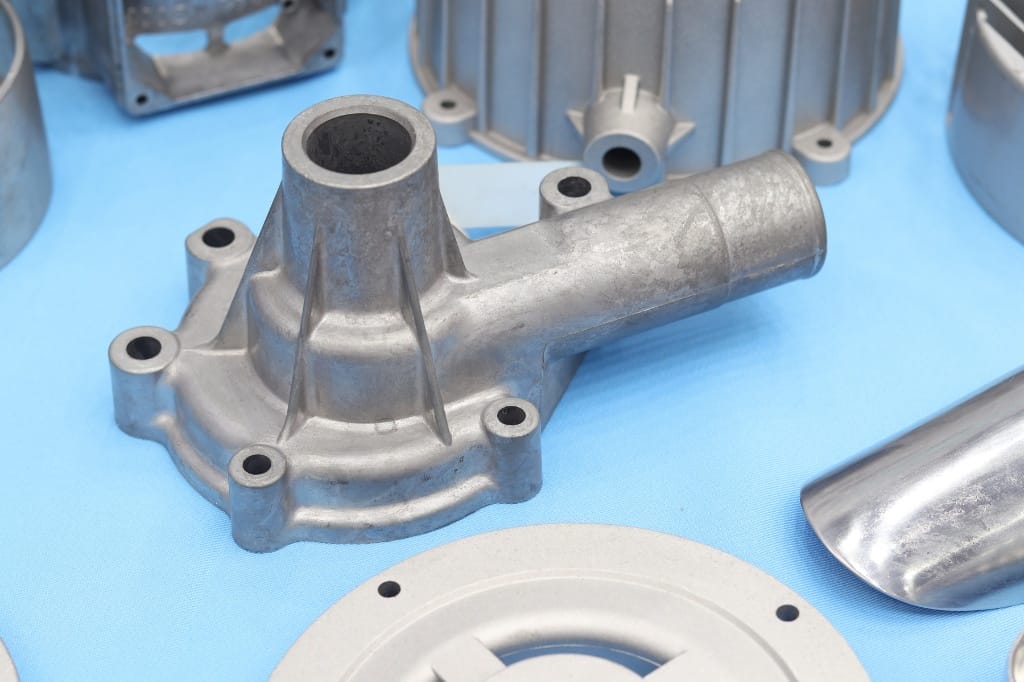
One of the standout properties of aluminum is its remarkable deterioration resistance, which substantially adds to the long life of components made from this steel. This inherent ability to stand up to oxidation and degradation permits aluminum foundry parts to perform accurately in various industrial environments, including those revealed to moisture, chemicals, and severe temperatures. Unlike various other steels that may succumb to corrosion or rust in time, aluminum forms a protective oxide layer that guards it from environmental factors. This function not just expands the life expectancy of parts yet likewise reduces the requirement for regular upkeep or replacement. Industries such as aerospace, automobile, and marine especially gain from light weight aluminum's resilience, ensuring that parts maintain stability and performance over extended periods. Picking aluminum foundry components can lead to improved operational effectiveness and lowered downtime, making them an ideal option for demanding industrial applications.
Cost-Effectiveness: Lowering Overall Production Expenses
While numerous aspects add to the overall performance of manufacturing processes, the cost-effectiveness of aluminum foundry components stands apart as a substantial benefit. Aluminum's lightweight nature lowers transportation costs and power usage throughout production. Additionally, its excellent machinability permits quicker handling times, decreasing labor expenditures and improving performance.
In addition, light weight aluminum factory parts typically exhibit reduced product prices contrasted to various other steels, making them a financially feasible option for suppliers. The toughness of aluminum additionally adds to long-term cost savings, as components call for less regular replacement and upkeep.
The recyclability of light weight aluminum can lead to reduced waste disposal prices and promote sustainability initiatives, even more enhancing its appeal. By incorporating aluminum factory components into their procedures, companies can achieve considerable reductions in general production expenses, inevitably resulting in better earnings margins and competitive benefit in the industrial industry.
Convenience in Layout: Tailoring Parts to Particular Demands
An amazing facet of aluminum factory parts is their versatility in layout, allowing producers to customize components to satisfy details functional needs. This adaptability originates from light weight aluminum's pliability and lightweight nature, making it possible for detailed shapes and styles that can be tailored for varied applications. Whether for vehicle, aerospace, or commercial equipment, light weight aluminum shop components can be engineered to fit unique specs, ensuring perfect efficiency and performance.
In addition, progressed casting strategies assist in the production of complicated geometries that conventional materials might have a hard time to attain. This capability makes it possible for designers to refine and innovate product styles without being constrained by product restrictions. In addition, aluminum's compatibility with numerous coatings and surfaces further improves its design convenience, enabling for functional and aesthetic enhancements customized to operational demands or specific atmospheres. Consequently, suppliers gain from a tailored method that fulfills both performance and design demands, making aluminum factory components a recommended choice in different industrial applications.
Improved Thermal Conductivity: Improving Performance
The boosted thermal conductivity of aluminum shop parts substantially adds to boosting effectiveness across various industrial applications. Aluminum's capability to conduct heat effectively permits fast warmth dissipation, which is vital in situations requiring temperature law, such as in heat exchangers and engine elements. This particular minimizes thermal stress, extending the life-span of parts and decreasing maintenance costs.
Moreover, boosted thermal conductivity helps with quicker home heating and cooling down cycles, enhancing power use. Therefore, processes end up being a lot more effective, resulting in reduced functional expenses and enhanced efficiency. Industries such as vehicle, aerospace, and electronic devices benefit substantially from these buildings, as they call for materials that can take care of and stand up to warmth effectively.
Eco-Friendly Choice: Sustainability in Manufacturing
Sustainability in manufacturing has actually become an important focus in today's industrial landscape, and aluminum shop parts stand apart as an environment-friendly choice. The usage of light weight aluminum is inherently lasting due to its recyclable nature; it can be recycled repeatedly without loss of high quality. This feature significantly decreases the demand for new resources, thereby conserving natural deposits.
The production of light weight aluminum parts normally produces fewer greenhouse gas exhausts contrasted to various other steels, making it a greener alternative for makers. The lightweight nature of aluminum likewise adds to power financial savings in transportation and application, as lighter elements call for much less power to move and run successfully.
On top of that, numerous light weight aluminum factories are progressively embracing lasting methods, such as using sustainable power resources and decreasing waste. Overall, picking light weight aluminum foundry components lines up with the expanding emphasis on eco-friendly production, promoting an extra lasting industrial future.
Easy Machinability: Simplifying Production Procedures
The simple machinability of light weight aluminum foundry parts significantly improves tooling performance in commercial applications. This feature not only minimizes production time yet also enables the use of flexible machining strategies. As an outcome, producers can enhance their procedures while maintaining top notch outcome.
Improved Tooling Effectiveness
Boosted tooling performance is important for enhancing manufacturing procedures in light weight aluminum foundries. The light-weight nature of aluminum substantially adds to its machinability, enabling faster and much more specific reducing procedures. This simplicity of machining decreases device wear and lowers the overall pressure on equipment, enabling longer device life and constant high quality in manufacturing. Furthermore, light weight aluminum's beneficial thermal conductivity assists in dissipating warmth throughout official site machining, which can improve device performance. The simplified arrangement processes related to light weight aluminum parts result in quicker adjustments and reduced downtime, consequently improving operations. By leveraging these characteristics, makers can achieve higher performance levels while preserving strict top quality requirements in their assembly line, eventually fostering more reliable procedures within the factory atmosphere.
Reduced Manufacturing Time
While the machinability of aluminum considerably adds to reduced production time, its qualities extend past plain convenience of manufacture. The lightweight nature of light weight aluminum enables quicker handling and transportation throughout the production process, which streamlines procedures. Aluminum's exceptional thermal conductivity promotes quicker cooling times during spreading and machining, speeding up the total manufacturing cycle. Its resistance to deterioration implies much less downtime for upkeep, enabling continual production runs. In addition, the capability to attain tight tolerances with marginal initiative brings about fewer versions and reworks, better boosting performance. Completely, these factors placement light weight aluminum as a material that not only streamlines manufacturing processes yet also considerably shortens lead times, ensuring timely shipment of elements in industrial applications.
Versatile Machining Techniques
Light weight aluminum's simple machinability enables for a selection of versatile machining strategies that significantly simplify production procedures. This material can be quickly Homepage cut, shaped, and formed using approaches such as CNC machining, milling, and transforming. These methods enable producers to accomplish tight resistances and detailed designs with marginal initiative. In addition, light weight aluminum's light-weight nature minimizes the wear on cutting devices, permitting for longer device life and lowered maintenance costs. The ability to promptly adjust to various layouts further enhances production performance, making aluminum an optimal choice for industries requiring rapid prototyping and modification. Overall, the range of machining choices readily available about his for aluminum shop parts not only simplifies procedures but also contributes to affordable manufacturing remedies.
Regularly Asked Concerns
How Does Aluminum Contrast to Various Other Metals in Foundry Applications?
Aluminum is lighter and a lot more corrosion-resistant than many steels, making it helpful for factory applications. Its outstanding thermal conductivity and simplicity of spreading additionally contribute to its popularity over standard materials like steel or iron.
What Industries Advantage The Majority Of From Light Weight Aluminum Factory Components?
The vehicle, aerospace, and electronics industries profit substantially from light weight aluminum foundry parts. Their light-weight, corrosion-resistant residential properties improve performance and efficiency, making aluminum an optimal selection for parts calling for toughness and precision in demanding applications.
Are Aluminum Factory Components Recyclable?
Aluminum shop parts are undoubtedly recyclable. They can be thawed down and repurposed, making aluminum a lasting choice in production. Aluminum Foundry. This recycling process advantages the environment by minimizing waste and preserving natural deposits
Just How Do Light Weight Aluminum Factory Components Handle Heats?
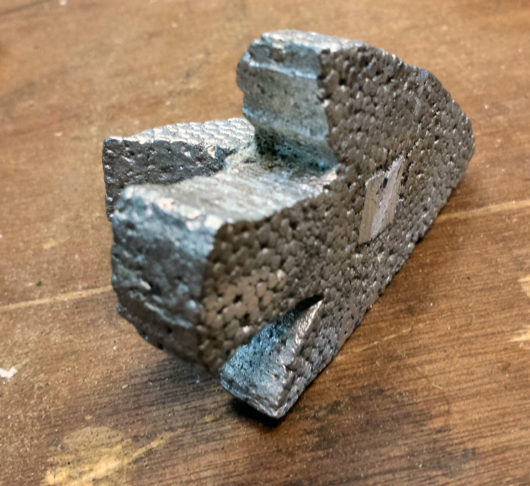
Light weight aluminum factory components show excellent thermal resistance, allowing them to endure high temperature levels without significant contortion. Their light-weight nature and thermal conductivity additionally enhance performance, making them ideal for requiring industrial environments and applications requiring heat durability.
What Surface Area Therapies Are Available for Aluminum Shop Elements?
Aluminum factory parts can undertake different surface therapies, including anodizing, powder covering, and chromate conversion. These therapies enhance corrosion resistance, improve wear buildings, and provide aesthetic surfaces, thus increasing the total performance and long life of the components.
Aluminum foundry components existing numerous advantages for commercial applications. A remarkable element of aluminum shop components is their adaptability in layout, permitting producers to tailor components to fulfill certain functional requirements. Aluminum Casting Company. The boosted thermal conductivity of light weight aluminum shop parts greatly adds to boosting efficiency across different industrial applications. Sustainability in production has come to be a crucial focus in today's industrial landscape, and aluminum foundry components stand out as an environmentally friendly choice. The simple machinability of light weight aluminum factory components significantly enhances tooling effectiveness in commercial applications